News

Under 11 Metres, No Longer Overlooked: New Cladding Funding Explained

If your building is under 11 metres, help with cladding costs has been hard to come by. That's starting to change. A new Government funding route opened on 17 August 2026 for eligible buildings under 11 metres with serious cladding or external wall fire safety defects.

It's a welcome step for lower-rise buildings. Funding routes have existed for taller blocks for a while now; this is the first real route and hope for buildings below 11 metres too.

The headline facts

The new route is delivered through an extension of the existing Cladding Safety Scheme, administered by Homes England, following a Written Ministerial Statement on 9 July 2026.

It's worth understanding how it works. The government still believes most buildings under 11 metres carry low risk, so this is a targeted fund rather than a blanket guarantee, funding will go where the evidence shows it's needed most.

A Fire Risk Appraisal of External Walls (FRAEW), completed to PAS 9980, is the key piece of evidence, and Homes England will review every one submitted. The most serious, life-critical cases are prioritised first, with any remaining funding directed to where it can do the most good.

Applications are open now and close on 9 October 2026, so it's worth acting sooner rather than later. Works already underway, or contracts signed before 9 July 2026, won't be eligible for this particular route.

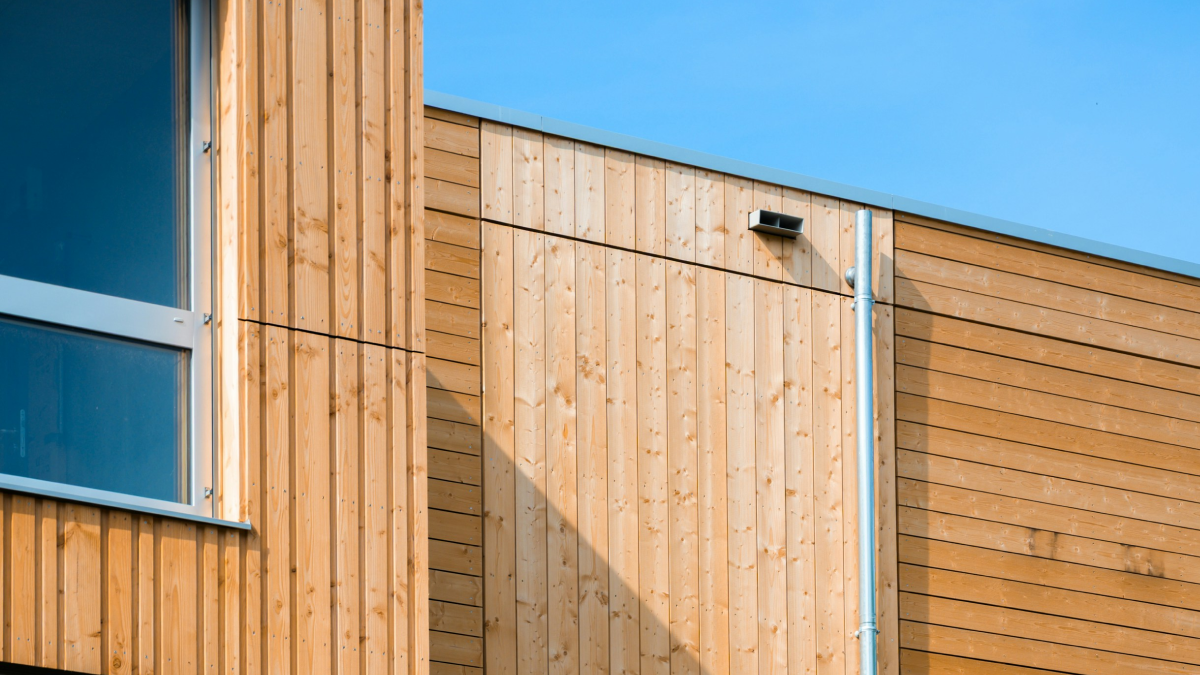
Prime Property Management Building

What it means for leaseholders

For buildings with genuine, evidenced defects, this is welcome news, closing a gap that's existed for years.

It's worth understanding what it does and doesn't cover. Eligibility depends on evidence rather than height alone; a FRAEW has to identify the risk. Applications also need to come from the Responsible Entity (usually the freeholder or management company) rather than leaseholders directly, only once other routes like developer contributions, insurance or warranty claims have been explored.

If you're not sure where your building stands, your managing agent is the best place to start, and we're always happy to help.
How Prime is supporting this

We've already contacted every client with a building under 11 metres.

Where we know of existing defects, we're moving straight into the investigations and specialist assessments required to confirm eligibility, including a PAS 9980 FRAEW where it's needed, so applications are ready to go.

Two of our values are doing the heavy lifting here:

We think ahead: we're not waiting for clients to ask. We're finding the buildings that could be affected and getting the groundwork done now, while the window's open.

We care like a homeowner: a funding announcement is only useful if you understand what it means for your building. That's the bit we focus on.

skyscraper city

What happens next?

To sum up: this is a positive step for buildings under 11 metres, though it's worth remembering it's a targeted, evidence-led fund rather than an automatic entitlement, and the window to apply is short.

Over the coming weeks, we'll be working through our portfolio, progressing FRAEWs and supporting applications wherever a building looks eligible. Once the application window closes on 9 October, Homes England will assess and prioritise submissions by risk, so outcomes won't be immediate, and that's worth bearing in mind if your building is part of an application. From autumn 2026, a new National Remediation Database is also expected to give a clearer, single view of remediation activity across the sector.

If your building is part of an ongoing assessment, your Property Manager will be in touch directly as soon as there's news to share.

Published by:

Tierney Elkins

Client Relations

Share: